
Description
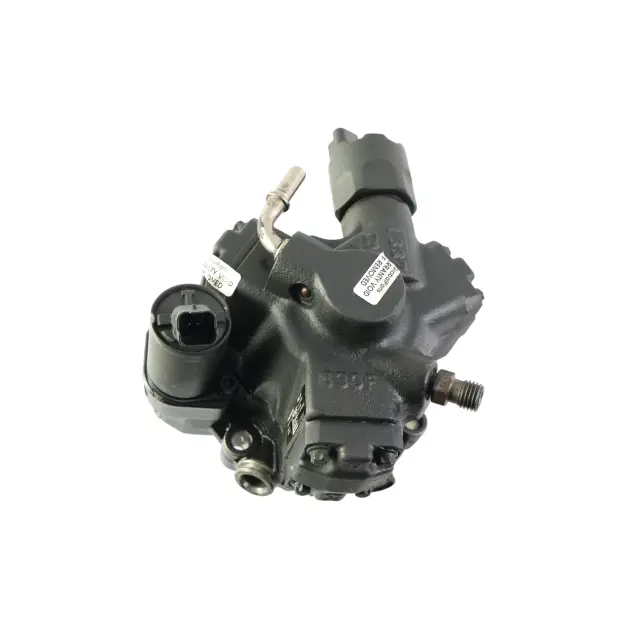
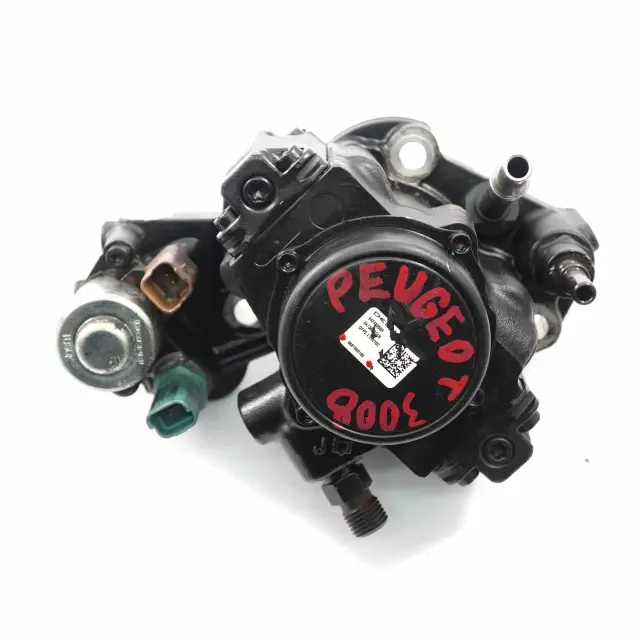
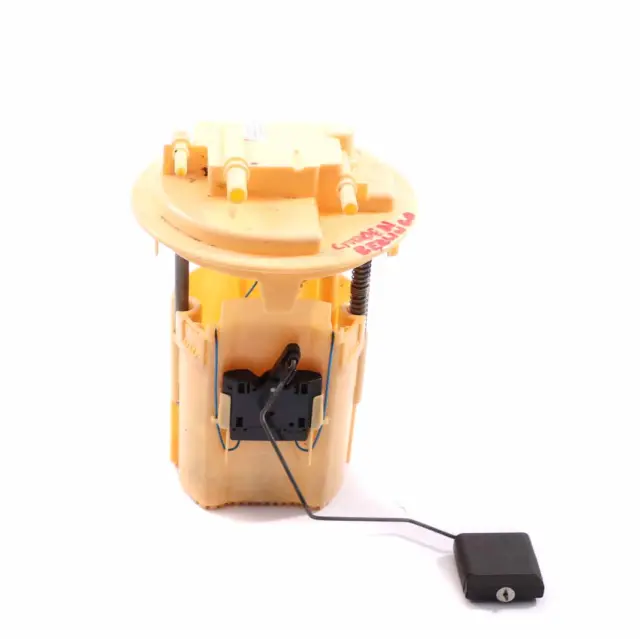
Ford Kuga S-Max Mk1 Fuel Injection Pump 2.0 TDCi is a component from the Fuel pumps and level sensors category, designed for Ford high-pressure diesel fuel supply systems. This solution allows for the restoration of proper pressure in the fuel system, stable engine operation, and correct fuel dosing in the 2.0 TDCi engine.
Specifications and technical data
- SKU: 1541974
- Mark: Ford
- Condition: Used
- OEM Part Number: 1541974
- Substitutable numbers: 1541974, 3M5Q-9A543-CD, 3M5Q9A543CD, 9685705080
- Category: Fuel Pumps & Sending Units
Purpose and function in the fuel system
The described fuel injection pump is used in Ford 2.0 TDCi diesel engines, including the first-generation Kuga and S-Max models. It is responsible for generating the appropriate pressure in the common rail, which translates into proper fuel atomization in the combustion chambers, smooth engine operation, and correct response to load.
By using an original Ford solution from the Fuel pumps and level sensors group, compatibility with the factory characteristics of the injection system is maintained, which is important for both engine durability and combustion parameters and operating refinement.
Benefits of using an original Ford pump
Using this fuel injection pump to replace a worn or damaged component allows for the restoration of stable fuel pressure across the entire rev range. In practice, this means:
- smoother engine idling,
- more efficient engine starting in both warm and cold conditions,
- correct fuel dosing under load,
- reduced risk of the engine entering limp mode due to fuel pressure errors.
The original Ford solution is designed for the specific configuration of the 2.0 TDCi engine, which facilitates proper fitment with accessories, wiring harnesses, and the engine control unit. As a result, installation is predictable, and the fuel system’s operating parameters remain consistent with the manufacturer’s specifications.
Installation and operational characteristics
The fuel injection pump designed for the Ford Kuga and S-Max Mk1 is structurally prepared to work with the factory common rail system. This allows for installation in place of the existing component without the need for mechanical modifications. During replacement, it is recommended to:
- check the cleanliness of the fuel system (filter, lines, tank),
- inspect the tightness of the supply and return lines,
- diagnose fuel pressure parameters after installation using a diagnostic tester.
This approach allows for fully utilizing the potential of the installed pump and reducing the risk of secondary failures resulting from contamination or leaks in the system.
Product condition and part selection
The item is offered in used condition, which allows for an economical repair of the injection system while maintaining the original Ford specification. Before installation, it is recommended to verify compatibility with the vehicle based on the OEM part number and available interchangeable numbers, as well as data from the manufacturer’s catalog or the vehicle’s VIN.
To select the correct pump for a specific version of the 2.0 TDCi engine, it is worth paying attention to the manufacturer’s markings, the engine generation, and the accessory configuration. This helps avoid mechanical and software compatibility issues and ensures proper cooperation with the engine control unit.
If you are planning a comprehensive repair or upgrade of the fuel supply area in your Ford and need other components from the same group, such as pre-supply pumps, fuel modules, or level sensors, check the available parts in the Ford fuel pumps and level sensors category.
Technical support and selection of used components
When working with injection systems and other control components in cars, it is worth using verified sources of knowledge. If you are considering using used components in your car and want to better understand the principles of their selection, diagnostics, and potential benefits, check out the guide Second life for electronics – when is it worth choosing used engine controllers, comfort modules, and parking sensors?, which discusses the practical aspects of using used components in modern vehicles.
Reviews
There are no reviews yet.