
Description
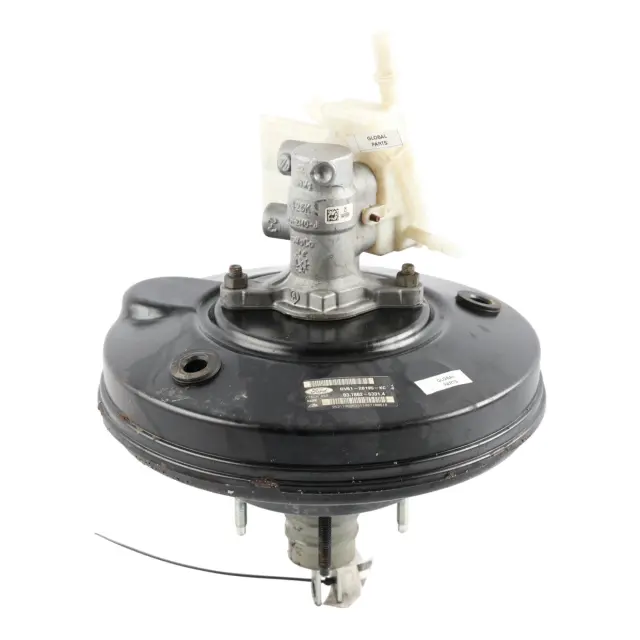
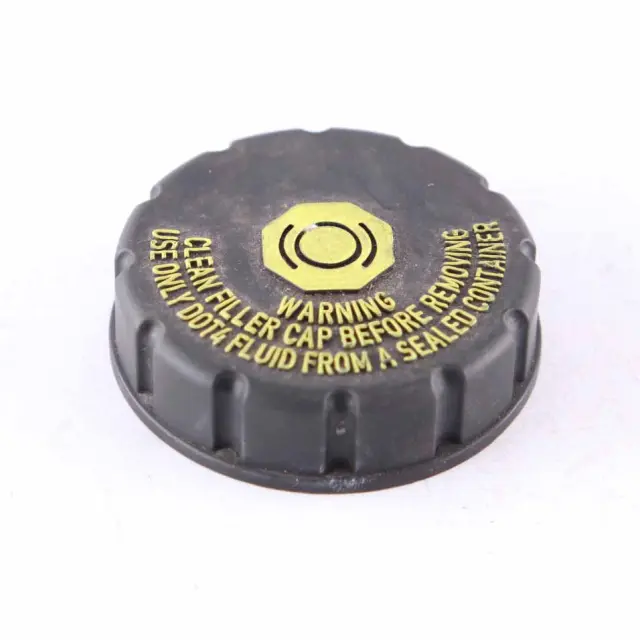
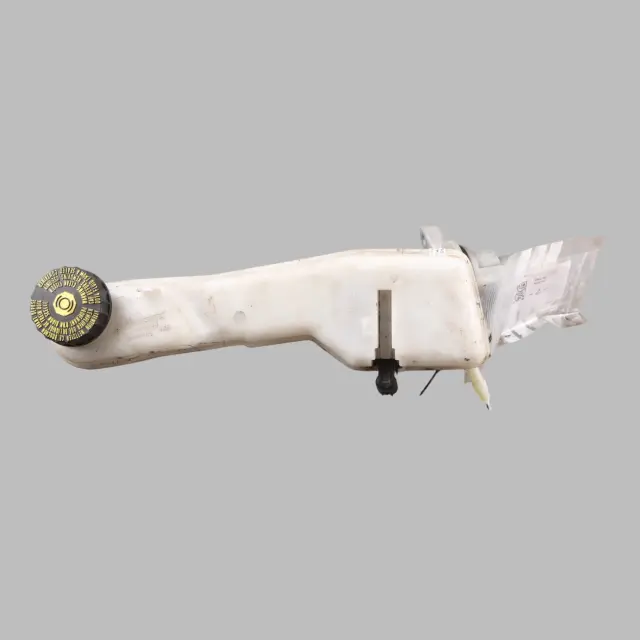
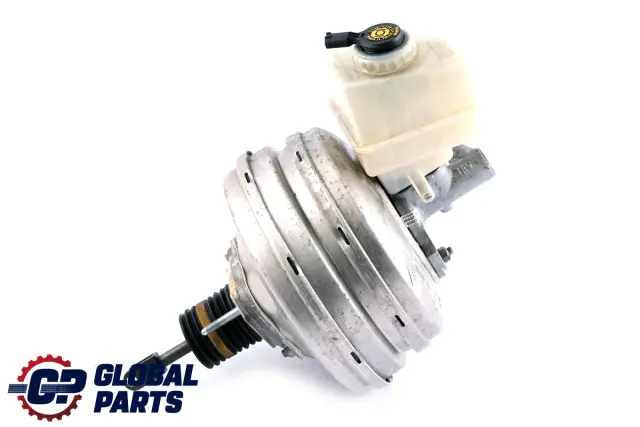
Ford Transit Connect Mk2 Brake Servo Master Cylinder Booster integrated with the brake master cylinder is an original brake system component, designed by Ford specifically for this model. As a part from the Brake servos and pressure regulators group, it ensures stable transmission of brake pedal pressure into system pressure, which translates into predictable and safe vehicle deceleration. This used OEM component is a sensible choice for professional repairs or restoring the factory braking characteristics in the Transit Connect Mk2.
Specifications and technical data
- SKU: RHD-DV61-2B195-KC
- Mark: Ford
- Condition: Used
- OEM Part Number: DV61-2B195-KC
- Substitutable numbers: 2258870, DV61-2B195-KC, DV612B195KC, AV612005KF, AV61-2005-KF
- Part type: Brake Servo & Master Cylinder
- Category: Brake Servos
Purpose and function in the brake system
The presented brake servo integrated with the master cylinder is a key element of the hydraulic brake system in the Ford Transit Connect Mk2. It is responsible for:
- amplifying the force applied to the brake pedal using vacuum,
- precise metering of pressure in the brake circuits,
- maintaining consistent braking characteristics under various vehicle loads.
Thanks to the factory OEM design, compliance with Ford’s design parameters is maintained, which is important for both braking efficiency and the operation of assistance systems such as ABS or electronic stability control.
Advantages of using an original brake servo with master cylinder
Choosing an original component from the Brake servos and pressure regulators group for the Ford Transit Connect Mk2 allows for maintaining the consistency of the entire brake system. In practice, this means:
- factory fitment to the bulkhead geometry and pedal assembly,
- proper cooperation with brake lines and pressure distribution between axles,
- maintaining the manufacturer-intended pedal travel and brake feel.
The used OEM component is particularly beneficial for post-accident repairs or replacing a worn-out servo, when the priority is to restore original operating parameters without experimenting with replacements of uncertain characteristics.
Component condition and installation aspects
The offered item comes from dismantling and is sold as a used part, which allows for reducing repair costs while maintaining the original Ford design. Before installation, a standard workshop procedure is recommended: checking for leaks, verifying the operation of the master cylinder piston, and inspecting vacuum ports and hydraulic connections. Thanks to the integration of the servo with the brake master cylinder, the installation process is straightforward – after proper positioning on the bulkhead and connection to the brake pedal, the system must be bled according to the service procedure.
Selection by part numbers and compatibility
The element was designed as a Ford OEM part, which facilitates identification and selection for a specific version of the Transit Connect Mk2. In workshop practice, the manufacturer’s part number and available interchangeable numbers are used for selection, which allows for verifying compatibility with the model year, engine version, and brake system configuration. This method of identification minimizes the risk of installing an incorrect servo, which could alter braking characteristics or hinder mechanical assembly.
Brake system expansion and related parts
If you are planning a comprehensive repair or upgrade of the braking zone in your Ford and need other elements from the same group, such as additional servos, brake pressure regulators, or related assistance modules, check the available parts in the Ford brake servos and pressure regulators category.
For users who combine work on the brake system with servicing other vehicle systems, a guide on selecting and operating used OEM components in the area of thermal comfort may be helpful. Practical tips, tables, and procedures can be found in the article “Air conditioning and heating – part selection and maintenance for year-round comfort”, which discusses, among other things, the principles of safely using used components in modern cars.

Reviews
There are no reviews yet.